
Custom Shower Doors: Transform Your Bathroom Today
March 19th, 2026
Lily Kadirov

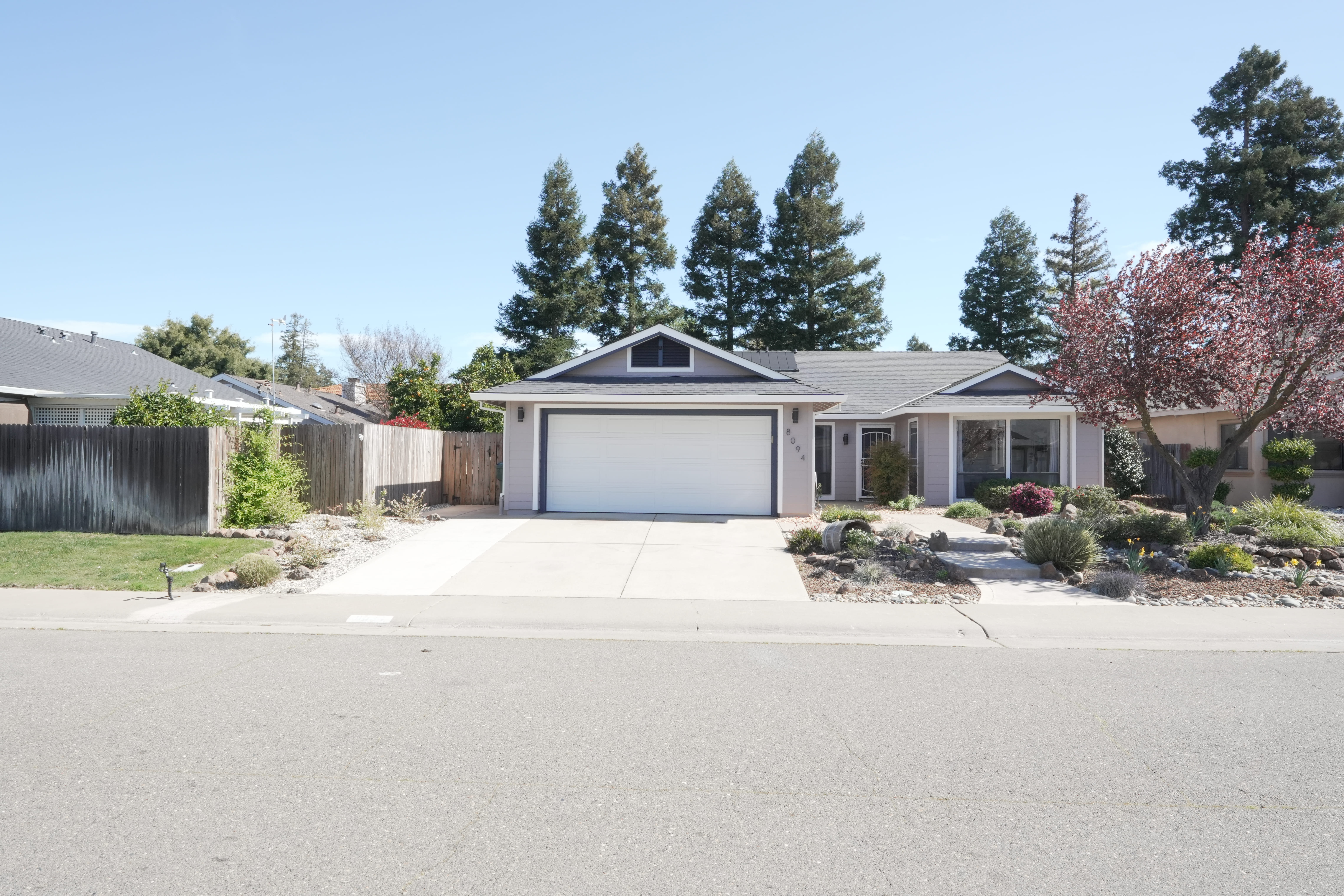


Damaged siding should be replaced, not patched, when water has reached the sheathing or framing behind it, when panels are missing, or when the damage is spread across large sections of a wall. A proper replacement is more than swapping boards: the wall behind the siding gets inspected, rotten material is cut out, the weather barrier is restored, and only then does new siding go on. In Sacramento, Central Builders Inc. handles siding repairs and full siding replacement as managed projects, from consultation to completion, with upfront estimates.
The siding you can see is only half the story. Siding is not a waterproof layer, and water gets behind it over its lifetime, so walls are built to drain and dry behind the cladding. That is why the Building America Solution Center explains that siding needs a drainage gap and a water-resistive barrier behind it. When a panel cracks, warps or falls off, the question is whether that system still works.
Use these signs to decide.
Replacement is the right call when:
A targeted repair can be enough when:
With wood siding, Fine Homebuilding notes that the damage may be minimal enough to patch only the affected area, or may require replacing whole clapboards, shingles or trim boards. The same logic applies to fiber cement and vinyl: the extent of damage, not the material, drives the decision.
Because the real extent is often hidden, the most reliable way to decide is an inspection that opens up the wall. Our team prepares an upfront estimate after reviewing the siding, so you know the scope before work starts.
Here is what a correct replacement involves, in order, and where each step tends to go wrong.
The first job is finding out how far the damage goes. Tapping the sheathing and listening for dull thuds helps locate rotten or loose wood, according to This Old House. Where it goes wrong: a replacement quoted from the surface alone. If rot is found after the new siding is on, the work gets torn out and redone.
Damaged boards or panels come off, along with any trim that overlaps them. Care here protects the good siding next to them. Cracking a neighboring panel or leaving nail holes in visible areas turns a small job into a bigger one.
Rotten sheathing is replaced, and loose boards are secured with additional fasteners into the studs. Texas Department of Insurance guidance for storm repairs says the contractor should check wall sheathing and replace deteriorated or damaged areas before installing new exterior siding. Where it goes wrong: covering soft sheathing with new siding. The new siding then fails early, because the wall behind it is still wet or weak.
The layer behind siding, housewrap or building paper, is what protects the wall when water slips past the cladding. The same TDI guidance states that a weather-resistant material, such as asphalt felt or another approved product, is typically applied to the wall before most siding products go on. This Old House adds a detail that matters at windows: leave enough wrap to tuck behind window trim so transitions stay watertight.
Where it goes wrong: laps installed the wrong way, or a barrier left torn. Water that finds one gap in the wrap can reach the framing.
The Building America Solution Center describes a small air gap between siding and the barrier, created with furring strips, a drainage mat or textured housewrap, and notes that the gap can be vented at the top and bottom to encourage air movement. Ask how the installation handles drainage behind the siding, particularly if the original wall had none.
Starting at the bottom lets each course overlap the one below it so water runs down and out, not in behind. Courses are fastened to the manufacturer’s specifications, since over-driven or under-driven fasteners cause buckling and rattling.
Joints, seams and openings are sealed. This Old House recommends a thick bead of caulk at both ends of an opening for a replacement board, covering end grain and the gap between the back of the board and the sheathing. Paint then matches the surrounding siding where the product needs it.
A final walk-through confirms straight courses, tight joints, sealed penetrations and clean-up. This is also where color and profile match is judged, which is why the material is chosen before work begins, not after.
Our services include architect-led design, project management, material procurement and installation using durable materials. In practice, that means one team coordinates the whole sequence above rather than you sourcing materials and scheduling trades yourself. That matters most for busy owners and investors, who want the siding finished without managing the steps in between.
Cost depends on how much siding is affected, the material, the labor, and what turns up behind the old siding. National cost guides give a useful frame for a small repair:
These are national figures, and they are guides, not quotes. Prices in the Sacramento region reflect local labor and materials, and an estimate for your house depends on the wall itself.
| Project | Published price |
|---|---|
| Siding repairs | $2,500 to $5,000 |
| Siding replacement | $15,000 to $50,000 |
The low end of each range fits a smaller, simpler scope, and the high end fits larger homes and more involved work. Because our quotes are upfront, the number you sign is the number you plan around.
Before any siding work starts, make sure the paperwork protects you. The California Contractors State License Board (CSLB) is the state agency that licenses contractors, and it offers an online license lookup where you can verify a contractor’s license and see complaint disclosures.
CSLB’s guidance on home improvement contracts says a contract should describe in detail the products to be used and how the work will be performed, with a detailed written payment schedule. It also states that the down payment cannot exceed $1,000 or 10 percent of the contract price, whichever is less. Payments should not exceed the value of the work performed, apart from that down payment.
For a siding job, a good contract names the siding product and color, the scope of sheathing repair, how hidden damage is handled, and what is included in clean-up.
Damage is a chance to fix the cause. If your siding failed because of moisture, ask what is behind it and how the new wall will drain. If it failed from hail or impact, consider the material’s resistance to impact. If it simply aged out and faded, matching an old color to a replacement panel can be impossible, and a wall-wide replacement can look better than a patchwork.
We show real Sacramento-area siding work on our site, including a fiber cement siding replacement and a modern siding refresh. If windows or doors sit in the same walls, replacing them while the siding is open lets the barrier be sealed around them properly. Our full exterior upgrade in Elk Grove combined siding, windows and a deck in one project.
Most siding problems we see start as a small visible flaw and turn out to be a question about the wall. The honest way to price a job is to know what is behind the siding before the number goes on paper.
That is why our approach is built around transparent, upfront pricing and architect-led planning. Siding is a system: cladding, barrier, sheathing, flashing and the details around windows. A replacement that treats only the visible layer does not solve the problem.
We believe a damaged wall deserves one accountable team, from the first consultation to the final walk-through, using durable materials and clear communication. That is the stress-free experience homeowners tell us they want, and it is how we run siding projects.
If your siding is cracked, warped, missing or stained, we can review it, explain what the repair or replacement involves, and give you an upfront estimate. Our siding repairs are published at $2,500 to $5,000, and siding replacement at $15,000 to $50,000. See the details on our siding repair and replacement page, or read about siding installation in Sacramento.
We work with homeowners, property investors, busy professionals and families who want the job done properly and without hidden costs. To start, reach us through Central Builders Inc.
Repair fits limited damage where the wall behind is dry and sound. Replace when water has reached the sheathing or framing, when siding can no longer shed water, or when large sections are affected. An inspection that checks the wall behind the siding settles the question.
National guides put small repairs at a minimum charge of about $244 to $454, and repairs at $1,280 to $2,380 per 100 square feet, according to Fixr. Our published siding repairs range from $2,500 to $5,000, and the final figure depends on material and the damage found.
It depends on the size of the wall, the material and what the inspection finds behind it. A small repair is much quicker than a whole-house replacement. We give you a schedule with your estimate once we have reviewed the siding.
Siding work is easiest in dry conditions, because the wall is open while the barrier is restored and must not take on water. Sacramento’s climate allows work through much of the year, and we plan each project around the weather.
Every home is different, so we confirm scope, pricing and any permit requirements for your project during a free in-home consultation. Call Central Builders Inc. at (916) 347-7373 or request your free estimate.


